Microsoft's “AI for Earth” initiative uses AI, machine learning (ML),…
Water Crises as Opportunities for the Economy: Industrial Solutions at the Handelsblatt Water Conference 2026 in Berlin
Water scarcity is no longer merely an environmental issue, but rather an acute risk costing billions for German industry. A look back at the Handelsblatt Water Conference in Berlin, where leading figures from politics and business discussed concrete solutions for Germany as a business location.
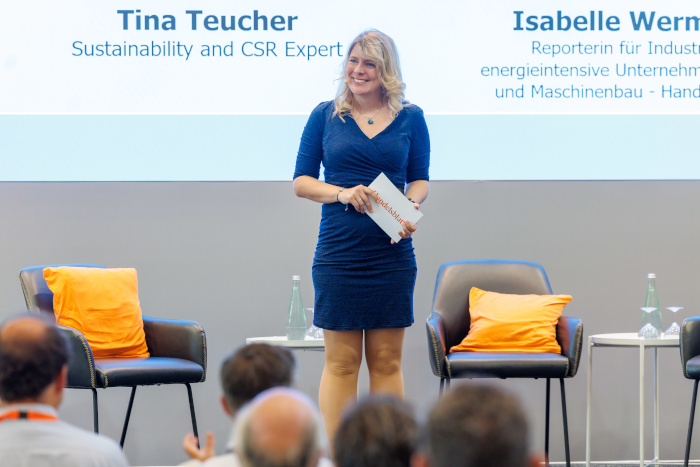
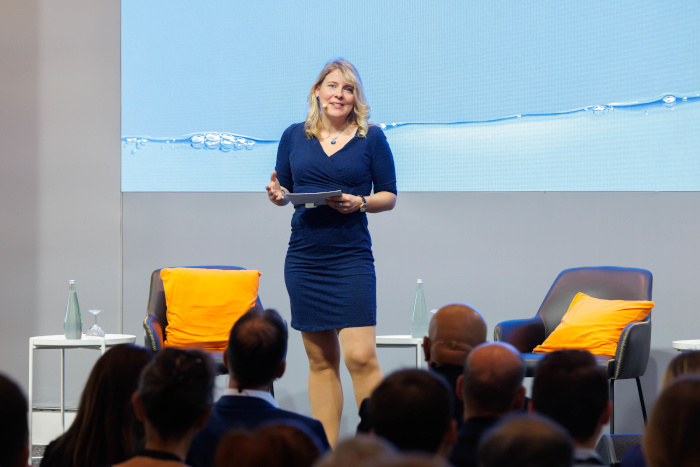
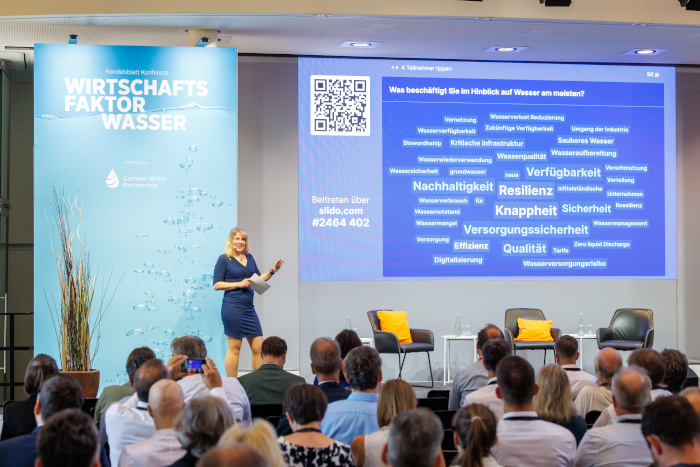
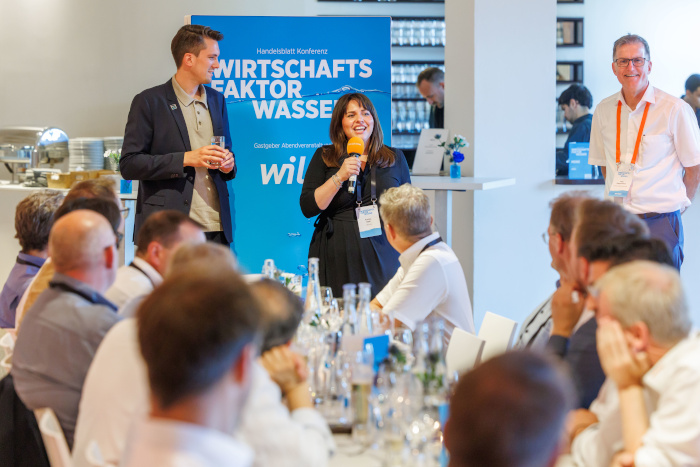
Tina Teucher served as moderator at the “Water as an Economic Factor” conference organized by Handelsblatt and the German Water Partnership in 2026. (c) Dietmar Gust
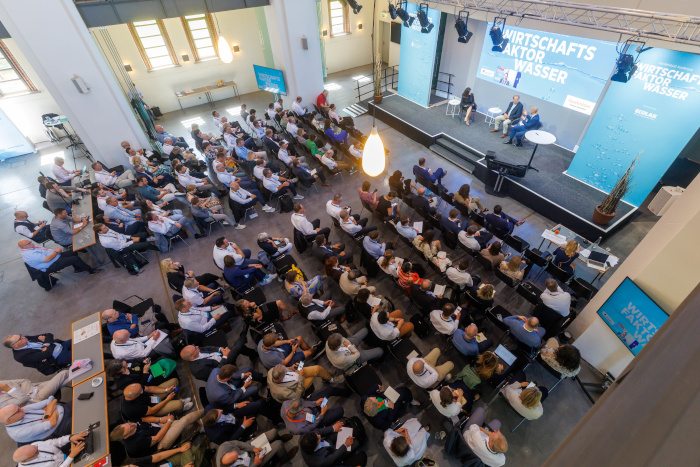
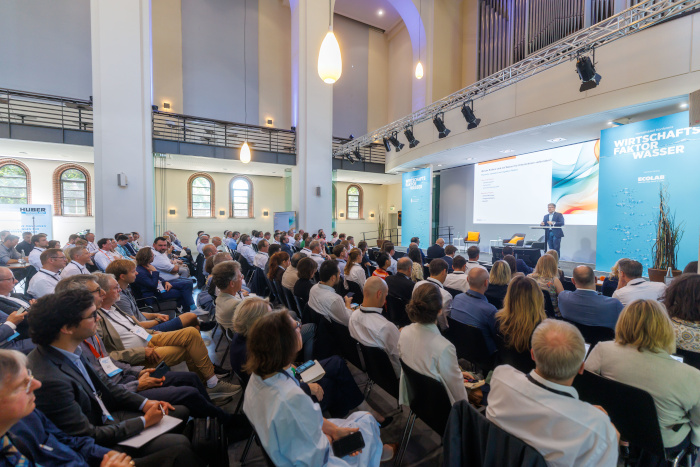
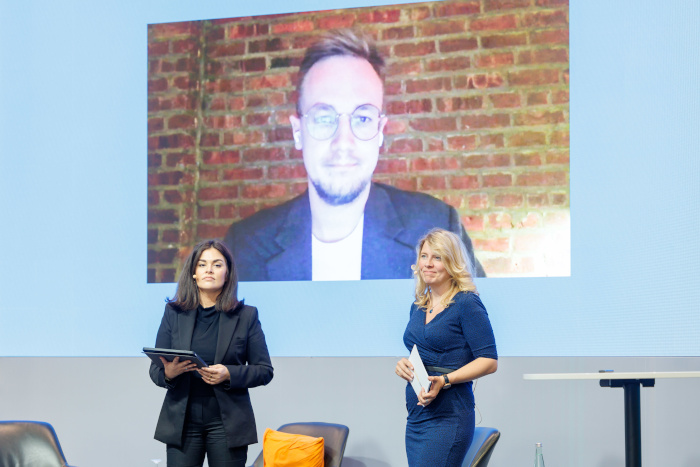
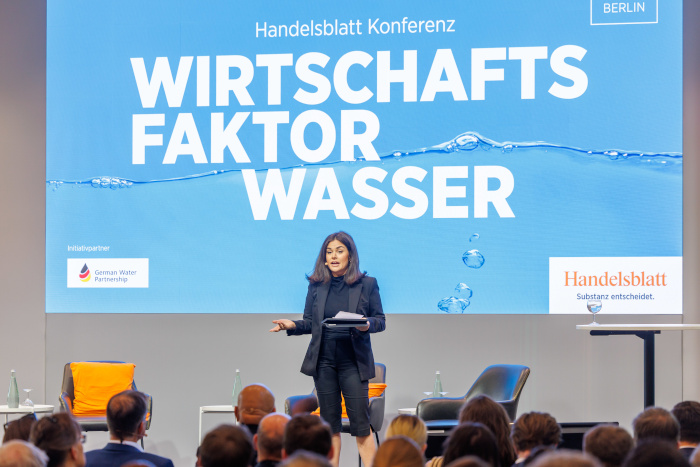
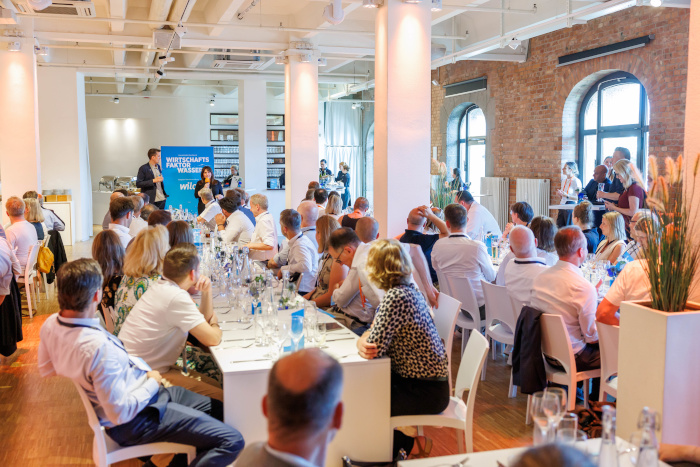
How will companies manage water in the future? On June 24, 2026, participants from business, academia, NGOs, and politics discussed this topic at the Handelsblatt Water Conference in Berlin. In light of rising demand, geopolitical shifts, and limited resources, the question of how to manage this natural resource responsibly and efficiently was the focus of this year’s Water Conference. The event brought together leading figures from industry, politics, and the financial sector to discuss practical solutions for a secure and economically viable water supply. Tina Teucher guided the day’s program alongside Handelsblatt editor Isabel Wermke and moderated discussions on the industry’s most pressing issues on stage.
(c) Dietmar Gust
Water Is Shifting from an Environmental Issue to an Economic Issue
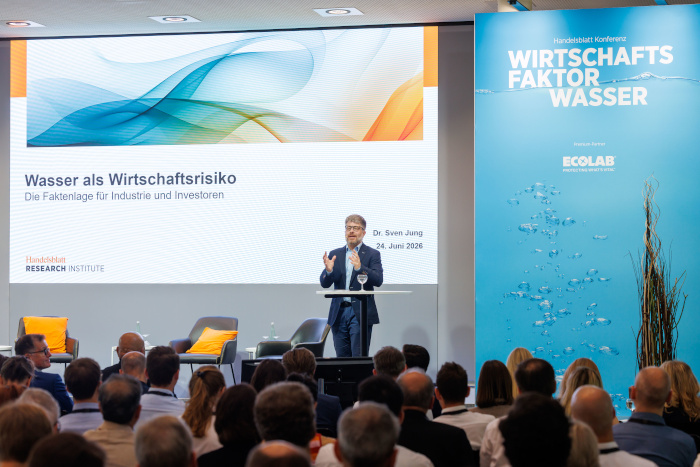
Water is no longer merely an environmental issue; it has become a crucial strategic competitive factor for the German economy. Heat waves, floods, and industrial pollution clearly demonstrate that water scarcity has become an acute economic risk. According to Sven Jung, head of the Department of Economic Analysis and Financial Planning at the Handelsblatt Research Institute, 60% of business models already exhibit a moderate to high dependence on water. The situation is no different on the DAX: 60% of the companies listed there are water-dependent—yet only one-third of them assess this risk at all. If this situation does not change, it threatens not only a humanitarian and ecological crisis but also, in Germany alone, economic damage that could amount to 20 to 25 billion euros by 2050. Yet as little as 15 to 20 billion euros in targeted investments would be sufficient to avert this damage.
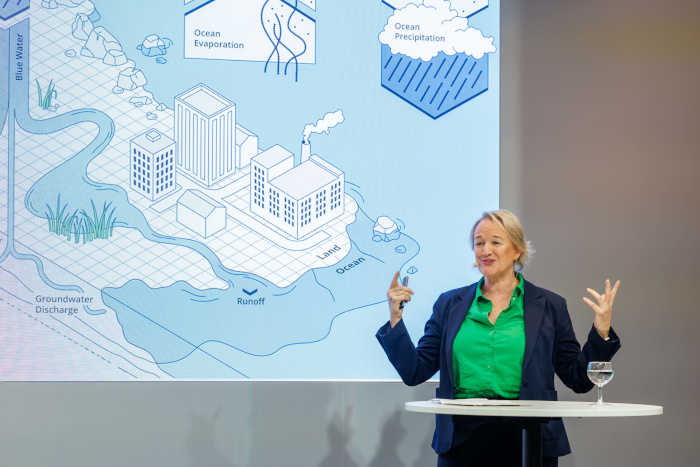
The consequences are also drastic on a global scale: Dr. Rachael McDonnell, Deputy Director General for Research at the International Water Management Institute (IWMI), issued a stark warning about the global consequences if we do not change the way we manage water. A sustained disruption of the water cycle could reduce global GDP by about 8% in high-income countries and by as much as 10 to 15% in low-income countries by 2050. We’re talking about global economic losses amounting to 500 to 625 billion euros.
(c) Dietmar Gust
Industry Facing Acute Water Stress
A key focus of the conference was the massive changes that increasing water stress is bringing to the core sectors of the German economy. Representatives from the chemical, energy, semiconductor, steel, and food industries made it clear just how much they are already having to adapt their production processes.
Particular emphasis was placed on forward-looking strategies drawn directly from real-world practice. Corinna Wolf, Head of Global Sustainability at Infineon Technologies AG, was among those who explained how such a transformation can be achieved. In her keynote address, she highlighted how Infineon is making its new Smart Power Fab in Dresden the most sustainable semiconductor factory in Europe. Through targeted modernization efforts, the company is increasing its water recycling rate from 32% to 45%. This example shows that industry pioneers can already save significant amounts of this precious resource through consistent circular processes and innovative technologies.
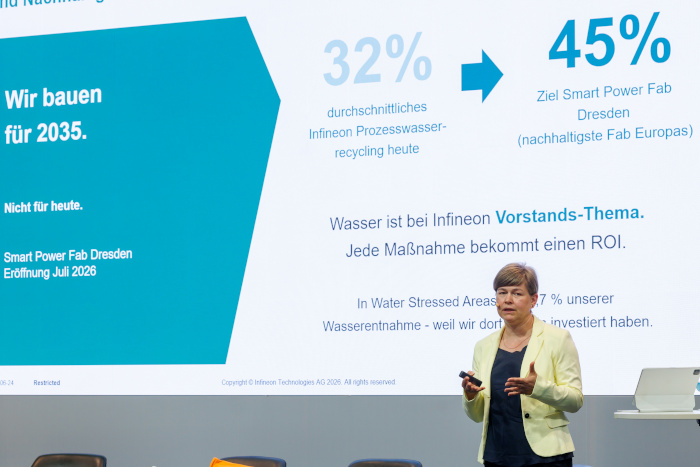
Infineon is making water a priority for its executive board, reported Corinna Wolf, Head of Global Sustainability at Infineon Technologies AG. (c) Dietmar Gust
Water Scarcity as a Location and Security Factor
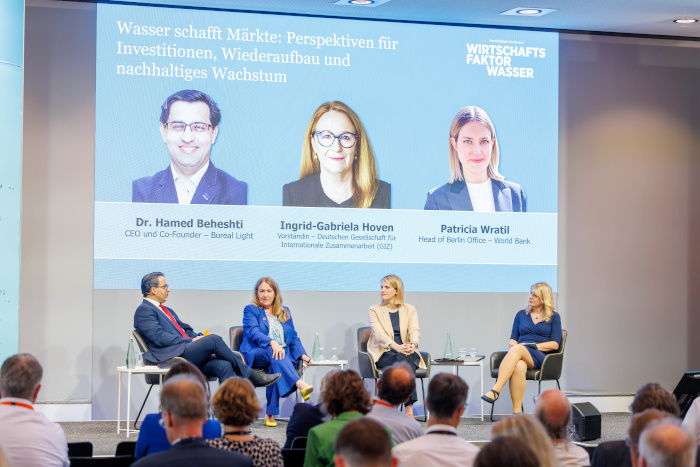
During the conference’s political debates, panelists discussed water as a crucial factor in Germany’s attractiveness and resilience as a business location. The participants analyzed the existing regulatory framework and discussed the role that subsidies and technological sovereignty must play in the future. In a conversation with Tina Teucher, Egypt’s Ambassador, Dr. Mohamed Elbadri, and Mexico’s Ambassador, Francisco Quiroga, made it clear that securing water infrastructure has long since become a matter of national economic security.
Thinking Outside the Box: International Best Practices
One of the event’s key benefits was, above all, the international exchange of experiences. The conference focused on countries and regions that have successfully integrated water scarcity into their industrial and regional policies for years. For the audience and panelists alike, these global perspectives provided valuable insights and concrete lessons for the transformation process in Germany.
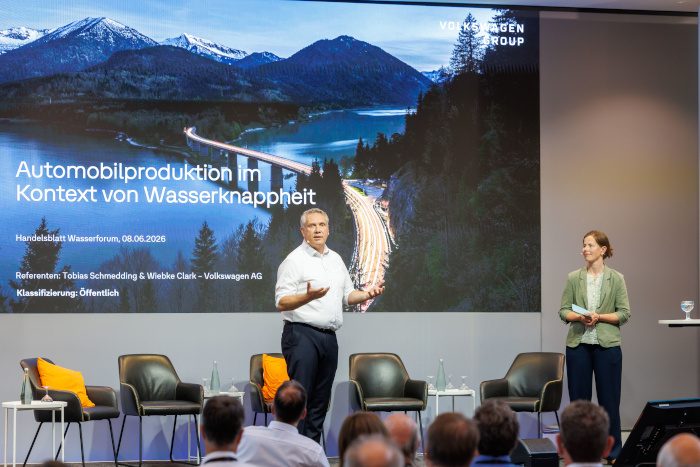
One example from the automotive industry can be found in Martorell, Spain. There, the Volkswagen Group expanded the permissible operating conditions for the paint booths, which drastically reduced energy and water consumption—especially during the extreme summer and winter months. In addition to massive water savings of 46,700 cubic meters per year, this also resulted in energy savings of up to 5.3 GWh per year.
A Day with a Clear Mission: Cooperation
At the conclusion of the Handelsblatt Water Conference, one thing became clear: The challenges are enormous, but many technological and strategic solutions already exist. The Water Conference demonstrated that the future of water supply need not be an insurmountable problem if policymakers, the business community, and the financial sector work closely together and tackle the transformation—which is necessary in any case—now.
More about the “Water as an Economic Factor” conference organized by Handelsblatt and the German Water Partnership:
https://live.handelsblatt.com/event/wirtschaftsfaktor-wasser
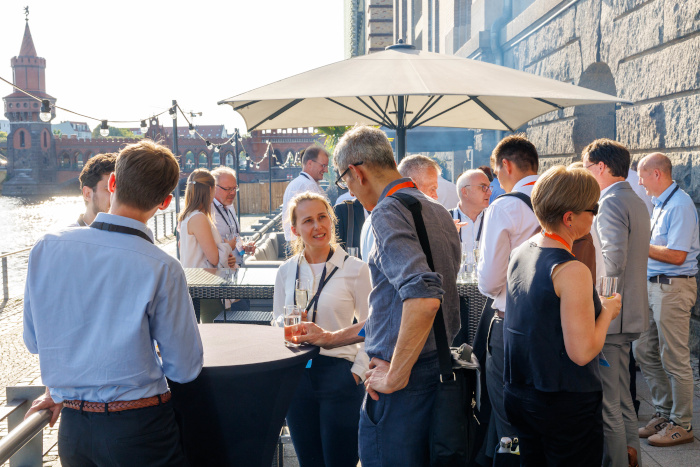
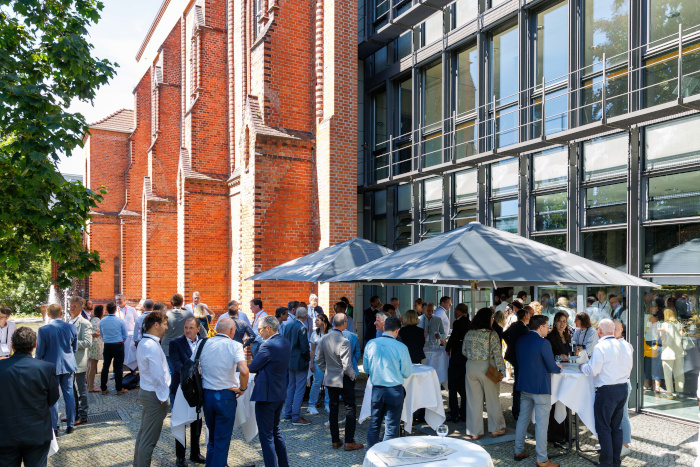
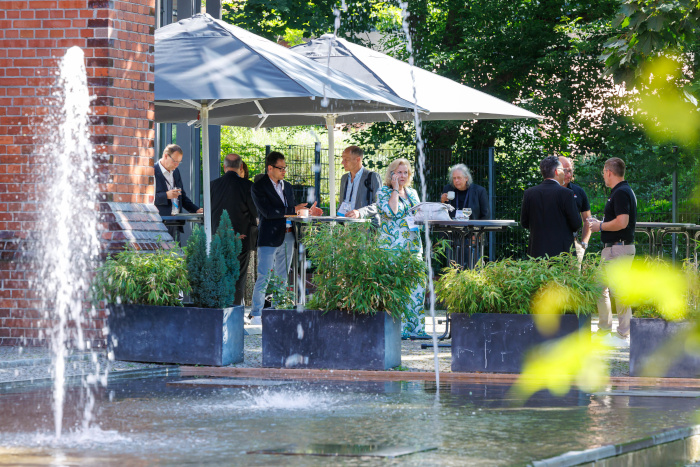
(c) Dietmar Gust
Tina Teucher is a speaker and moderator specializing in sustainable business. In her keynote speeches and moderation sessions, she inspires audiences with her insights into the intersection of artificial intelligence, the circular economy, and megatrends, and highlights the opportunities presented by an ecological transformation. As a co-founder of startups, she brings her practical business management experience to the stage.
Related Posts